There is only one truely organic mulch, True Mulch

6161 South Main St Clinton Oh
Mon-Sat: 8:00 a.m. - 6:00 p.m. / Sun 10:00 a.m. - 3:00 p.m.
05 Jun 2026
Why Professional Mulch Installation Looks Better Than DIY

Why Professional Mulch Installation Looks Better Than DIY

Professional mulch installation looks better than DIY because trained crews prepare the beds, define clean edges, apply mulch at an even depth, protect plants and trees, and clean the finished area.

DIY mulch can work for small touch-ups. However, large beds, tree rings, front-yard landscaping, and commercial properties often need better preparation, better material handling, and a more consistent finish.

B-Sharp Property Maintenance in Clinton, Ohio offers True Mulch, bulk mulch pickup, mulch delivery, and professional mulch installation for homeowners and businesses in Clinton, Green, Akron, Canton, North Canton, Massillon, Canal Fulton, New Franklin, Jackson, and nearby Northeast Ohio communities.

What Makes Professional Mulch Installation Look Cleaner?

A clean mulch job depends on more than fresh mulch.

The finished result depends on the condition of the bed, the edge line, the mulch depth, the spreading technique, and the cleanup after installation.

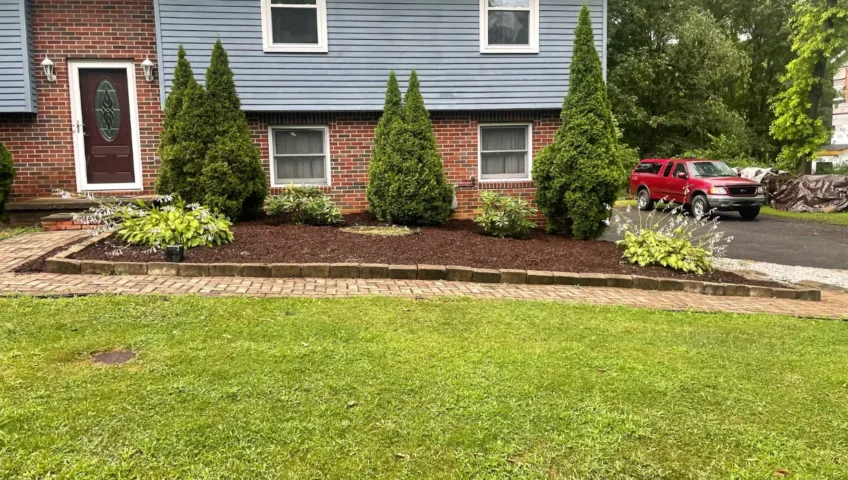
When these details are handled correctly, the landscape looks intentional. Flower beds look sharper. Tree rings look cleaner. Walkways, driveways, and foundation beds look more finished.

This is why professional mulch installation usually creates a stronger curb appeal result than a rushed DIY project.

Bed Preparation Comes First

Professional mulch installation starts before new mulch touches the bed.

A crew usually checks the existing mulch, removes visible debris, pulls weeds, clears leaves, and loosens compacted material.

This step matters because new mulch cannot hide poor bed preparation for long. If weeds, sticks, leaves, and matted mulch remain underneath, the finished bed can still look rough.

DIY mulch projects often look uneven because homeowners spread new mulch over old debris. The fresh color may help for a few days, but the bed still lacks a clean base.

Clean Edging Creates a Sharper Landscape

Edging is one of the biggest visual differences between professional mulch installation and DIY mulching.

A clean edge separates the lawn from the mulch bed. It gives the bed a clear shape and keeps the landscape from looking unfinished.

Without edging, even high-quality mulch can look messy. Grass can creep into the bed. Mulch can spill into the lawn. The border between turf and landscaping can look uneven.

Professional edging is especially important around foundation beds, walkways, driveways, mailbox areas, tree rings, and commercial entrances.

Even Mulch Depth Makes the Bed Look Finished

Professional crews spread mulch at a consistent depth across the bed.

This creates a smooth surface and even color. It also prevents thin spots where soil shows through and thick spots that look lumpy.

Most landscape beds should maintain about 2 to 3 inches of total mulch. That total includes any old mulch already in the bed.

If the existing mulch is already deep, a professional crew can rake, loosen, or reduce it before adding new material.

This is important because too much mulch can create plant health problems, especially around trees, shrubs, and low-growing plants.

Professional Crews Avoid Mulch Volcanoes

Mulch volcanoes are one of the most common DIY mulching mistakes.

A mulch volcano happens when mulch is piled high against a tree trunk. It may look like a neat cone, but it can harm the tree over time.

Tree bark is not meant to stay buried under damp mulch. When mulch touches the trunk, it can trap moisture, encourage decay, attract insects, and create stress around the root flare.

Professional mulch installation keeps mulch pulled away from the trunk. The mulch should form a wide, shallow ring around the tree.

The cleanest tree ring looks like a donut, not a mound.

Proper Mulching Protects Flowers and Shrubs

Mulch should support plants, not bury them.

Around flowers, perennials, ornamental grasses, and shrubs, mulch must be placed carefully. It should cover exposed soil without covering plant crowns, stems, or low growth.

DIY spreading can become too aggressive near delicate plants. A shovel or rake can push mulch into stems or bury small flowers.

Professional installers usually work more carefully around plants. They place mulch where it belongs and avoid packing it against living tissue.

That cleaner placement improves both appearance and plant health.

Bulk Mulch Creates a More Consistent Look

Bulk mulch often creates a more uniform appearance than mixing many individual bags.

When mulch comes from the same bulk source, the color, texture, and material are more consistent across the property.

This matters most for large front beds, commercial landscaping, long borders, and multiple tree rings.

Bagged mulch can work for small touch-ups, but different bags may vary in moisture, color, texture, or age.

For full-property projects, bulk mulch usually gives a cleaner and more consistent finish.

B-Sharp sells True Mulch by the cubic yard, which makes bulk ordering practical for residential and commercial projects.

Delivery Helps the Project Look Better

Mulch is heavy, and hauling it takes time.

When homeowners handle mulch themselves, fatigue can affect the final result. After loading, driving, unloading, and moving mulch by wheelbarrow, many people rush the spreading and cleanup.

Professional mulch delivery helps solve that problem. Bulk mulch can be delivered closer to the work area, which reduces hauling time and improves efficiency.

When delivery is combined with installation, the crew can move through the project in a planned way. That often creates a smoother, cleaner, and more consistent result.

Final Cleanup Makes a Major Difference

The final cleanup is one of the clearest differences between DIY mulch and professional mulch installation.

After spreading mulch, professional crews usually clean hard surfaces, smooth the bed surface, remove stray mulch, and check visible edges.

This step matters because mulch on sidewalks, driveways, patios, and lawns can make a finished project look unfinished.

A clean final pass makes the property look photo-ready. It also helps the new mulch stand out for the right reasons.

Why DIY Mulch Often Looks Uneven

DIY mulch does not always look bad. Many homeowners can handle small projects well.

The problem usually appears when the project is larger than expected.

Common DIY issues include poor bed preparation, rough edging, uneven depth, mismatched mulch bags, and missed cleanup.

Some homeowners also run out of mulch before the project is finished. Others order too much and apply it too deeply.

These mistakes are common because mulch installation looks simple until the property has multiple beds, tree rings, slopes, borders, and plant details.

When DIY Mulching Makes Sense

DIY mulching can make sense for small and simple jobs.

It can work well for one small flower bed, one tree ring, a light touch-up, or a container area.

DIY also works better when the bed is already clean, edged, weed-free, and easy to access.

A homeowner with time, tools, and experience may be able to create a good result on a small project.

However, DIY becomes harder when the job requires bulk mulch, delivery, bed cleanup, edging, or careful spreading around many plants.

When Professional Mulch Installation Is Worth It

Professional mulch installation is usually worth it when the property needs a clean, polished look.

It is especially useful for large yards, front-yard curb appeal, commercial properties, spring cleanup projects, and homes with multiple landscape beds.

Professional installation also makes sense when beds need edging, old mulch needs to be loosened, weeds need to be removed, or trees need proper mulch rings.

For homeowners who do not want to haul, spread, rake, and clean up mulch, professional service saves time and reduces mistakes.

For businesses, it helps keep entrances, signage beds, parking lot islands, and walkways looking consistent.

Front Yard Mulching Benefits Most From Professional Work

Front-yard landscaping affects first impressions.

Foundation beds, walkway borders, driveway beds, porch areas, mailbox beds, and visible tree rings all influence curb appeal.

If these areas are uneven, overfilled, or poorly edged, the whole property can look less maintained.

Professional mulch installation helps these visible areas look clean and intentional. It creates stronger contrast around plants, sharper bed lines, and a more finished look from the street.

This matters for homeowners, real estate listings, neighborhood presentation, and commercial properties.

Commercial Mulch Installation Needs Consistency

Commercial properties often need professional mulch installation because the standards are different.

A business landscape must look clean to customers, tenants, visitors, and employees. This includes office entrances, storefront beds, church grounds, school landscapes, apartment communities, and managed properties.

Commercial beds are often larger than residential beds. They may include signage areas, parking lot islands, long borders, and multiple buildings.

Professional crews can install mulch more consistently across these areas. They can also schedule work around business needs and seasonal maintenance.

Professional Crews Calculate Mulch More Accurately

Accurate mulch quantity affects the final look.

Too little mulch leaves thin areas and visible soil. Too much mulch creates buildup and can make beds look swollen or uneven.

Bulk mulch is usually measured in cubic yards.

A common formula is:

Length in feet x width in feet x depth in inches ÷ 324 = cubic yards needed

For example, a bed that is 20 feet long and 10 feet wide equals 200 square feet.

At 2 inches deep, that bed needs about 1.23 cubic yards of mulch.

At 3 inches deep, the same bed needs about 1.85 cubic yards.

Professional installers also check existing mulch depth before adding more. This helps prevent over-mulching.

Proper Mulch Depth Supports Plant Health

A clean mulch job should look good and function correctly.

Mulch helps retain soil moisture, moderate soil temperature, suppress weeds, reduce erosion, and improve the appearance of landscape beds.

However, these benefits depend on correct installation.

If mulch is too thin, it may not cover soil well. If mulch is too thick, it can limit oxygen movement, hold excess moisture, and create stress around plants.

Professional installation keeps the mulch layer controlled, even, and placed correctly around trees, shrubs, flowers, and bed edges.

Professional Mulch Installation vs DIY Cost

DIY mulching may cost less upfront because the homeowner provides the labor.

However, the real cost depends on the project.

Important cost factors include mulch type, cubic yards needed, delivery distance, bed preparation, edging, old mulch condition, property size, installation labor, and cleanup needs.

DIY can make sense for a small bed. Professional installation often makes more sense for larger projects because it saves time, reduces hauling, and creates a cleaner finish.

For many homeowners, the value is not only the mulch. It is the finished appearance, proper depth, and reduced labor.

Questions to Ask Before Hiring a Mulch Installation Company

Before hiring a mulch installation company, ask practical questions.

Good questions include:

  • Do you offer bulk mulch delivery?
  • What mulch types and colors are available?
  • Can you install the mulch after delivery?
  • Do you prepare and edge beds first?
  • How do you handle old mulch?
  • What mulch depth do you recommend?
  • Do you avoid piling mulch against tree trunks?
  • Do you clean sidewalks and driveways after installation?
  • Do you handle residential and commercial properties?
  • What areas do you serve?

These questions help you compare companies by process, not just price.

Why Choose B-Sharp Property Maintenance for Mulch Installation?

B-Sharp Property Maintenance is a local landscaping company and mulch supplier in Clinton, Ohio.

The company offers True Mulch, bulk mulch pickup, delivery, and professional mulch installation.

B-Sharp serves both residential and commercial customers in Clinton, Green, Akron, Canton, North Canton, Massillon, Canal Fulton, New Franklin, Jackson, and nearby Northeast Ohio communities.

The company also provides related services such as professional landscaping, professional mulching, hardscaping, snow and ice removal, leaf clean-up, firewood, topsoil, wood chips, Ohio Sweet Peat, and leaf compost.

For local customers, this means mulch can be handled as part of a larger property maintenance plan.

Final Recommendation

Professional mulch installation looks better than DIY because it includes bed preparation, edging, correct depth, careful plant placement, even spreading, and final cleanup.

DIY mulching can work for small beds and light touch-ups. Professional installation is usually better for full-yard refreshes, front-yard curb appeal, commercial properties, and homeowners who want a polished finish without hauling and spreading mulch.

If you need mulch delivery or professional mulch installation in Clinton or nearby Northeast Ohio communities, call B-Sharp Property Maintenance at 330-882-1999 to ask about True Mulch, current availability, delivery, pricing, and installation.

Frequently Asked Questions

Why does professional mulch installation look better than DIY?

Professional mulch installation looks better because the crew prepares the beds, defines edges, spreads mulch evenly, protects plants and trees, and cleans the finished area.

Is professional mulch installation worth it?

Professional mulch installation is worth it for large yards, multiple beds, commercial properties, spring cleanup projects, and homeowners who want a cleaner finished look.

Can I install mulch myself?

Yes. DIY mulch installation can work for small beds, one tree ring, or light touch-ups. Larger projects usually benefit from delivery and professional installation.

How deep should mulch be installed?

Most landscape beds should maintain about 2 to 3 inches of total mulch. Existing mulch depth should be checked before adding more.

Why should mulch not touch tree trunks?

Mulch should not touch tree trunks because it can hold moisture against the bark. A proper tree ring leaves the root flare visible.

Does professional mulch installation include cleanup?

A professional mulch service should clean visible surfaces after installation, including sidewalks, driveways, lawn edges, and walkways.

Is bulk mulch better than bagged mulch?

Bulk mulch is usually better for medium and large projects because it creates a more consistent look across the whole property.

What areas benefit most from professional mulching?

Foundation beds, walkway borders, driveway beds, tree rings, mailbox beds, commercial entrances, signage beds, and parking lot islands benefit most from professional mulching.

Does B-Sharp offer mulch delivery and installation?

Yes. B-Sharp Property Maintenance offers mulch pickup, delivery, and professional mulch installation from its Clinton, Ohio location.

How do I know how much mulch I need?

Measure the length and width of each bed in feet. Multiply by the desired depth in inches, then divide by 324 to estimate cubic yards.
01 Jun 2026
How Often Should Mulch Be Replaced in Clinton Climate?

How Often Should Mulch Be Replaced in Clinton Climate?

Most homeowners in Clinton, Ohio should refresh mulch once per year and fully replace it only when the old mulch is too thin, matted, sour-smelling, moldy, washed out, or built up too deeply.

In the Clinton climate, mulch has to handle spring rain, humid summer weather, fall leaf debris, winter snow, and freeze-thaw cycles. These conditions affect mulch color, texture, depth, drainage, and how quickly organic mulch breaks down.

B-Sharp Property Maintenance in Clinton supplies True Mulch, bulk mulch pickup, mulch delivery, and professional mulch installation for homeowners and businesses in Clinton, Green, Akron, Canton, North Canton, Massillon, Canal Fulton, New Franklin, Jackson, and nearby Northeast Ohio communities.

Refreshing Mulch vs Replacing Mulch

Mulch refresh and mulch replacement are not the same service.

A mulch refresh means adding a light layer of new mulch over existing mulch after the old layer has been inspected, raked, and loosened.

A full mulch replacement means removing old mulch before installing new mulch.

Most Clinton homeowners need a refresh more often than a full replacement. Full replacement is usually only needed when old mulch creates drainage, odor, disease, depth, or appearance problems.

Why Mulch Breaks Down in Clinton, Ohio

Organic mulch breaks down because it is exposed to water, air, sunlight, soil organisms, fungi, plant debris, and seasonal weather.

In Clinton and the broader Northeast Ohio region, spring rain can wash mulch out of sloped beds. Summer heat and sunlight can fade colored mulch. Humidity can speed natural decomposition.

Fall leaves can mix into mulch beds and create a messy surface. Winter snow can compress mulch. Freeze-thaw cycles can shift bed edges and expose soil.

Because of these conditions, mulch should be inspected every year even if it does not need full replacement.

How Often Should Homeowners Refresh Mulch?

Most homeowners in Clinton should refresh mulch once per year.

Spring is the most common time because beds often look worn after winter. A spring refresh improves curb appeal, covers exposed soil, and prepares the landscape for the growing season.

A summer refresh may help when mulch has faded, thinned out, or washed away after storms.

A fall refresh may help after leaf cleanup, especially when beds need soil coverage before winter.

The important point is depth. Do not add new mulch every year without checking how much old mulch remains.

When Does Mulch Need Full Replacement?

Mulch does not need to be fully replaced every year.

Full replacement makes sense when old mulch no longer functions properly.

Replace old mulch when it is:

  • Matted or crusted
  • Blocking water from reaching soil
  • Sour-smelling or rotten
  • Mixed with heavy leaves or debris
  • Too deep from repeated yearly applications
  • Washed out or uneven
  • Moldy beyond normal surface fungi
  • Pressed against tree trunks or plant crowns
  • No longer improving the appearance of the bed

If the mulch is thin, clean, and decomposing normally, a light refresh is usually enough.

How Deep Should Mulch Be After a Refresh?

Most landscape beds should maintain about 2 to 3 inches of total mulch.

That means the total layer matters, not only the new layer.

For example, if a bed already has 2 inches of old mulch, adding another 2 inches may create too much buildup. In that case, the old mulch should be raked, loosened, or reduced before adding fresh mulch.

Too much mulch can hold excess moisture, reduce oxygen movement, and create problems around plant roots, stems, and bark.

Around trees, mulch should never be piled against the trunk. The root flare should stay visible.

Why Too Much Mulch Can Damage Plants

More mulch is not always better.

A proper mulch layer helps conserve soil moisture, moderate soil temperature, suppress weeds, reduce erosion, and improve bed appearance.

Too much mulch can create the opposite effect. Thick layers can slow water movement, limit oxygen, and keep the root zone too wet.

This is especially important around trees and shrubs. Mulch piled against bark can trap moisture and increase the risk of decay, insects, fungal problems, and root stress.

A correct tree mulch ring should be wide and shallow. It should look like a donut, not a volcano.

Best Time to Refresh Mulch in Clinton

Spring is usually the best time to refresh mulch in Clinton.

After winter, mulch beds often look flat, faded, or scattered. A spring refresh helps restore the landscape before grass, flowers, shrubs, and trees enter the active growing season.

Spring mulch also supports weed control because it covers exposed soil before many weeds become established.

This timing is useful for homeowners preparing for graduation parties, home listings, neighborhood events, or general curb appeal.

When Summer Mulch Maintenance Makes Sense

Summer mulch maintenance is useful when beds look dry, faded, or uneven.

Colored mulch can lose visual impact after weeks of sun and rain. Black mulch, brown mulch, red mulch, and double dark brown mulch may still cover the soil, but the color can fade before the material fully breaks down.

A light summer refresh can improve appearance and help soil hold moisture during dry periods.

However, homeowners should avoid adding a thick layer during summer if old mulch is already deep.

When Fall Mulch Refreshes Help

Fall mulch maintenance can help after leaf cleanup.

Leaves, sticks, seed pods, and lawn debris often collect in mulch beds during autumn. Once this debris is removed, a light mulch refresh can make beds look cleaner before winter.

Fall mulch can also help protect exposed soil during cold weather.

Still, fall is not a reason to bury beds under extra material. The total depth should remain close to 2 to 3 inches.

Should Old Mulch Be Removed Before Adding New Mulch?

Old mulch does not always need to be removed.

Keep old mulch if it is clean, thin, loose, and not blocking water. Rake it lightly before adding new material.

Remove or reduce old mulch if it is matted, too thick, sour-smelling, or packed against plants.

This step matters because repeated mulch layers can build up over time. A bed may look fine on the surface but still have too much mulch underneath.

Before installing new mulch, check the actual depth with a trowel, hand rake, or small shovel.

Signs Your Mulch Needs Attention

Mulch usually shows visible signs when it needs maintenance.

Look for these conditions:

  • Bare soil showing through
  • Weeds growing through the bed
  • Faded color
  • Uneven bed coverage
  • Mulch washed onto sidewalks or lawn
  • Compacted or crusted surface
  • Water running over mulch instead of soaking in
  • Sour or rotten smell
  • Heavy leaf debris mixed into the bed
  • Mulch touching trunks, stems, or crowns

If several of these signs appear at once, the bed may need more than a light refresh.

How Mulch Type Affects Replacement Frequency

Different mulch types age in different ways.

Natural hardwood mulch breaks down gradually. It usually needs annual refreshing because it decomposes and blends into the soil over time.

Colored mulch may keep the bed covered, but its color can fade before the material disappears. Homeowners who want strong curb appeal may refresh colored mulch more often.

Double dark brown mulch can maintain a rich appearance, but it still needs depth checks before new material is added.

B-Sharp’s True Mulch is a local wood-based mulch option for Clinton homeowners who want bulk mulch by the cubic yard.

How Clinton Weather Affects Mulch Lifespan

Clinton’s climate affects mulch through moisture, temperature, and seasonal debris.

Spring rain can move mulch from slopes, edges, and downspout areas.

Summer sun can fade colored mulch and dry the surface.

Humidity supports organic decomposition because mulch is in contact with soil, fungi, and microorganisms.

Fall leaves can mix with mulch and make beds look neglected.

Winter snow can compress mulch and flatten the bed surface.

Freeze-thaw cycles can disturb soil and expose thin areas by early spring.

These conditions explain why yearly inspection is better than following a fixed replacement schedule.

Mulch Around Flower Beds

Flower beds usually need a clean, even mulch layer.

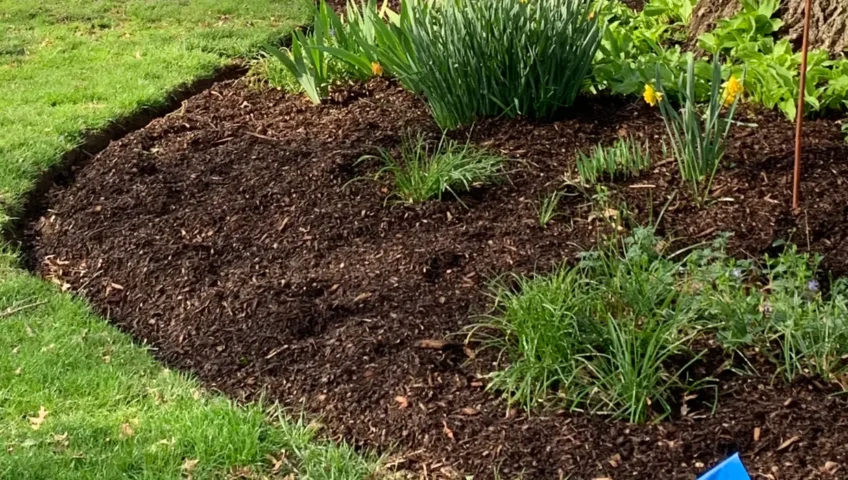
For annuals, perennials, and ornamental plants, mulch should cover exposed soil without burying crowns or stems.

A light annual refresh is often enough if the bed has been maintained well.

Before refreshing a flower bed, remove weeds, dead annuals, leaves, and old debris. Then rake the existing mulch and add fresh material only where needed.

This creates a cleaner bed without excessive buildup.

Mulch Around Trees and Shrubs

Trees and shrubs need careful mulch placement.

Mulch should protect the root zone, not cover the trunk.

The safest approach is to keep mulch away from the bark and spread it in a wide ring. This helps reduce mower damage, conserve moisture, and limit weeds around the base.

Do not create mulch volcanoes. Piling mulch against a tree trunk can keep bark wet and contribute to long-term tree health problems.

If old mulch is already against the trunk, pull it back before adding any new mulch.

Mulch Around Walkways, Driveways, and Edges

Mulch near hardscape areas often needs more frequent touch-ups.

Walkway beds, driveway edges, mailbox beds, and front entry beds are highly visible. They also collect runoff, debris, and foot traffic.

Spring refreshes are usually enough for many homeowners. However, beds near slopes, downspouts, and driveways may need extra attention after storms.

Clean edging makes these areas look sharper and helps keep mulch inside the bed.

How Much Mulch Do You Need for a Refresh?

Bulk mulch is usually measured in cubic yards.

Use this formula:

Length in feet x width in feet x depth in inches ÷ 324 = cubic yards needed

For example, a bed that is 20 feet long and 10 feet wide equals 200 square feet.

At 2 inches deep, that bed needs about 1.23 cubic yards of mulch.

At 3 inches deep, the same bed needs about 1.85 cubic yards.

If old mulch is still present, you may need less than a full new installation. Measure the existing depth before ordering.

Bulk Mulch vs Bagged Mulch for Replacement

Bulk mulch is usually better for medium and large replacement projects.

It works well for multiple flower beds, tree rings, foundation beds, commercial beds, and full-property refreshes.

Bagged mulch works better for small touch-ups or one small garden bed.

For Clinton homeowners, bulk mulch can be more practical because it reduces repeated store trips and gives a more consistent material source for the whole property.

B-Sharp sells True Mulch by the cubic yard and offers pickup, delivery, and installation options.

DIY Mulch Refresh vs Professional Mulch Installation

A DIY mulch refresh can work for small beds.

It is practical when the homeowner has time, tools, wheelbarrow access, and only needs to spread a light layer.

Professional mulch installation makes sense when the property has multiple beds, old mulch buildup, weeds, rough edges, slope issues, or a large amount of material.

A professional crew can prepare beds, deliver bulk mulch, spread it evenly, manage depth, clean hardscape areas, and avoid common mulching mistakes.

For commercial properties, professional installation is often the better choice because curb appeal and consistency matter across larger visible areas.

How Often Should Commercial Properties Replace Mulch?

Commercial properties may need mulch attention more often than residential properties.

The reason is visibility. Office buildings, retail centers, churches, schools, apartment communities, and managed properties depend on clean entrances, signage beds, parking lot islands, and walkway borders.

A common approach is spring installation with a possible summer touch-up.

Full replacement is still only needed when mulch is too deep, matted, decomposed, or visually poor.

Commercial properties should also inspect mulch after heavy rain, snow removal, leaf cleanup, and landscape maintenance work.

How to Maintain Mulch Between Replacements

Mulch lasts longer when it is maintained during the season.

Simple maintenance helps prevent early replacement.

Rake mulch lightly when it becomes compacted. Pull weeds before they spread. Remove leaves and sticks from beds. Keep mulch away from trunks and stems.

Re-edge beds when grass starts creeping into the mulch line. Fix washout areas after heavy rain.

Check depth before adding more mulch. This is the step that prevents over-mulching.

Common Mulch Replacement Mistakes

Many mulch problems come from adding material without checking the bed first.

Avoid these common mistakes:

  • Adding new mulch every year without checking depth
  • Covering weeds instead of removing them
  • Piling mulch against tree trunks
  • Burying plant crowns
  • Ignoring matted old mulch
  • Installing mulch before bed cleanup
  • Using too much mulch in flower beds
  • Ordering too little bulk mulch
  • Forgetting to plan the delivery drop location
  • Choosing color only, without considering material and depth

Good mulch maintenance starts with inspection, not installation.

Why Local Mulch Service Matters in Clinton

Local mulch service matters because mulch is heavy, seasonal, and affected by local weather.

A Clinton-based supplier understands spring demand, bulk delivery needs, property access, and common landscape conditions in Northeast Ohio.

B-Sharp Property Maintenance is located at 6161 South Main St, Clinton, Ohio 44216. The company serves Clinton and nearby areas with mulch, professional mulching, landscaping, hardscaping, leaf cleanup, snow and ice removal, firewood, topsoil, wood chips, and related property maintenance services.

For homeowners, this means the same local team can help with product, delivery, installation, and seasonal maintenance.

Final Recommendation

In the Clinton climate, most homeowners should refresh mulch once per year, usually in spring.

They should fully replace mulch only when the existing material is matted, too deep, sour-smelling, heavily decomposed, moldy, washed out, or no longer draining correctly.

For a healthy bed, keep total mulch depth near 2 to 3 inches. Keep mulch away from tree trunks, shrub stems, and plant crowns.

For larger properties, bulk mulch delivery and professional mulch installation can save time and create a cleaner finish.

Call B-Sharp Property Maintenance at 330-882-1999 to ask about True Mulch, pickup, delivery, mulch replacement, and professional installation in Clinton and nearby Ohio communities.

Frequently Asked Questions

How often should mulch be replaced in Clinton, Ohio?

Most homeowners should refresh mulch once per year. Full replacement is only needed when mulch is too deep, matted, sour-smelling, moldy, washed out, or badly decomposed.

Is spring the best time to replace mulch?

Yes. Spring is usually the best time because it refreshes beds after winter and prepares the landscape for the growing season.

Can I put new mulch over old mulch?

Yes, if the old mulch is thin, clean, loose, and not compacted. Do not add new mulch if the existing layer is already too deep.

How deep should mulch be?

Most landscape beds should maintain about 2 to 3 inches of total mulch. Around trees, keep mulch away from the trunk and avoid volcano mulching.

Why does mulch fade?

Mulch fades because of sunlight, rain, weathering, and natural breakdown. Colored mulch can fade before the material fully decomposes.

Should old mulch be removed every year?

No. Old mulch does not need to be removed every year unless it is matted, too thick, unhealthy, or blocking water movement.

How do I know if mulch is too thick?

Mulch is usually too thick if it is more than 3 inches deep, holds excess moisture, blocks water, or is piled against plants.

Does mulch help with weeds?

Yes. A proper mulch layer helps suppress weed growth by covering exposed soil. Existing weeds should be removed before new mulch is installed.

Does B-Sharp replace mulch in Clinton?

Yes. B-Sharp Property Maintenance offers mulch supply, delivery, and professional mulch installation for Clinton and nearby areas. Call to confirm current scheduling and availability.

What is the best mulch depth around trees?

Use a shallow mulch ring and keep mulch away from the trunk. The root flare should remain visible, and mulch should never be piled against bark.